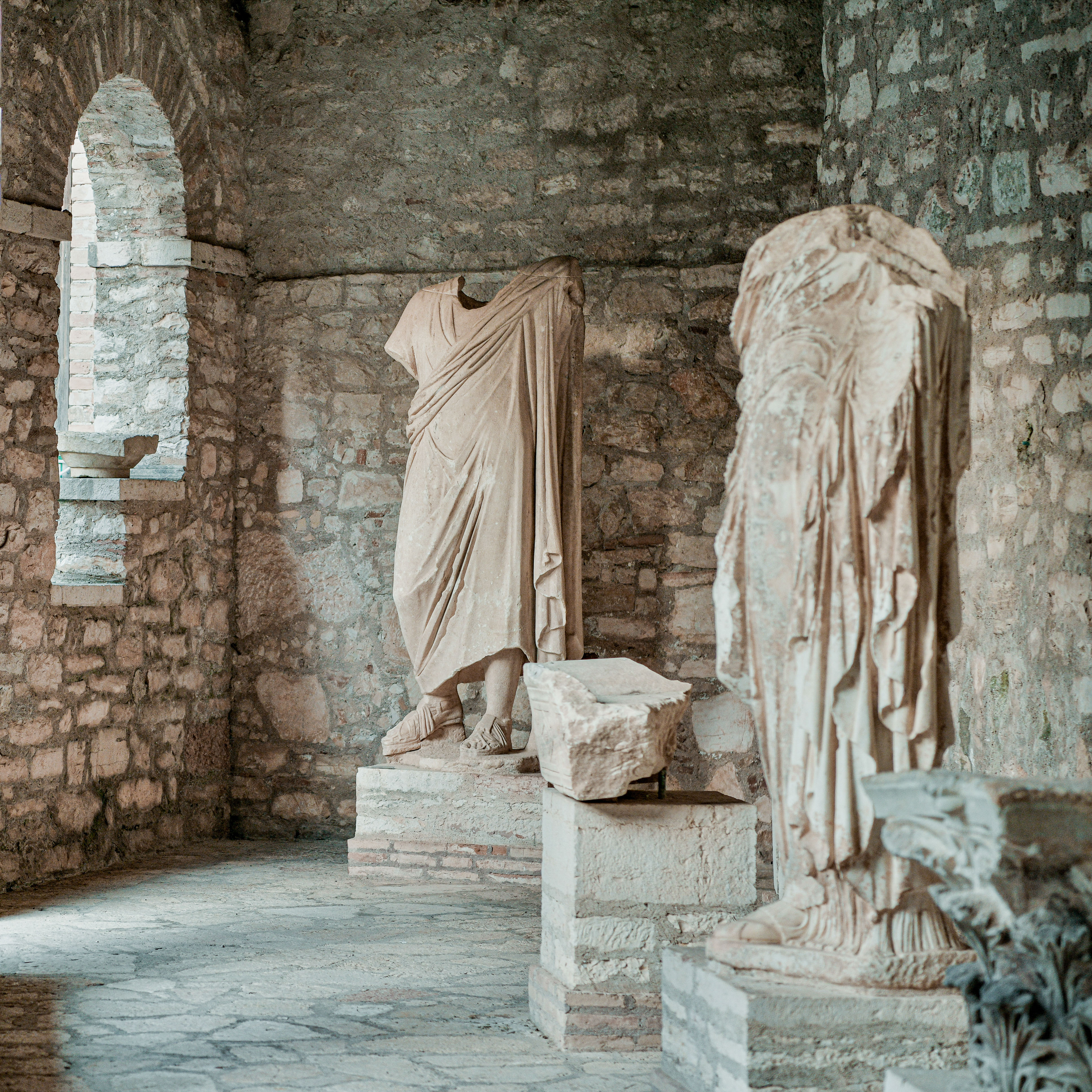
Butrint, Albania: A Living Museum at the Water’s Edge
A guide to the UNESCO site on Kep Merli’s doorstep
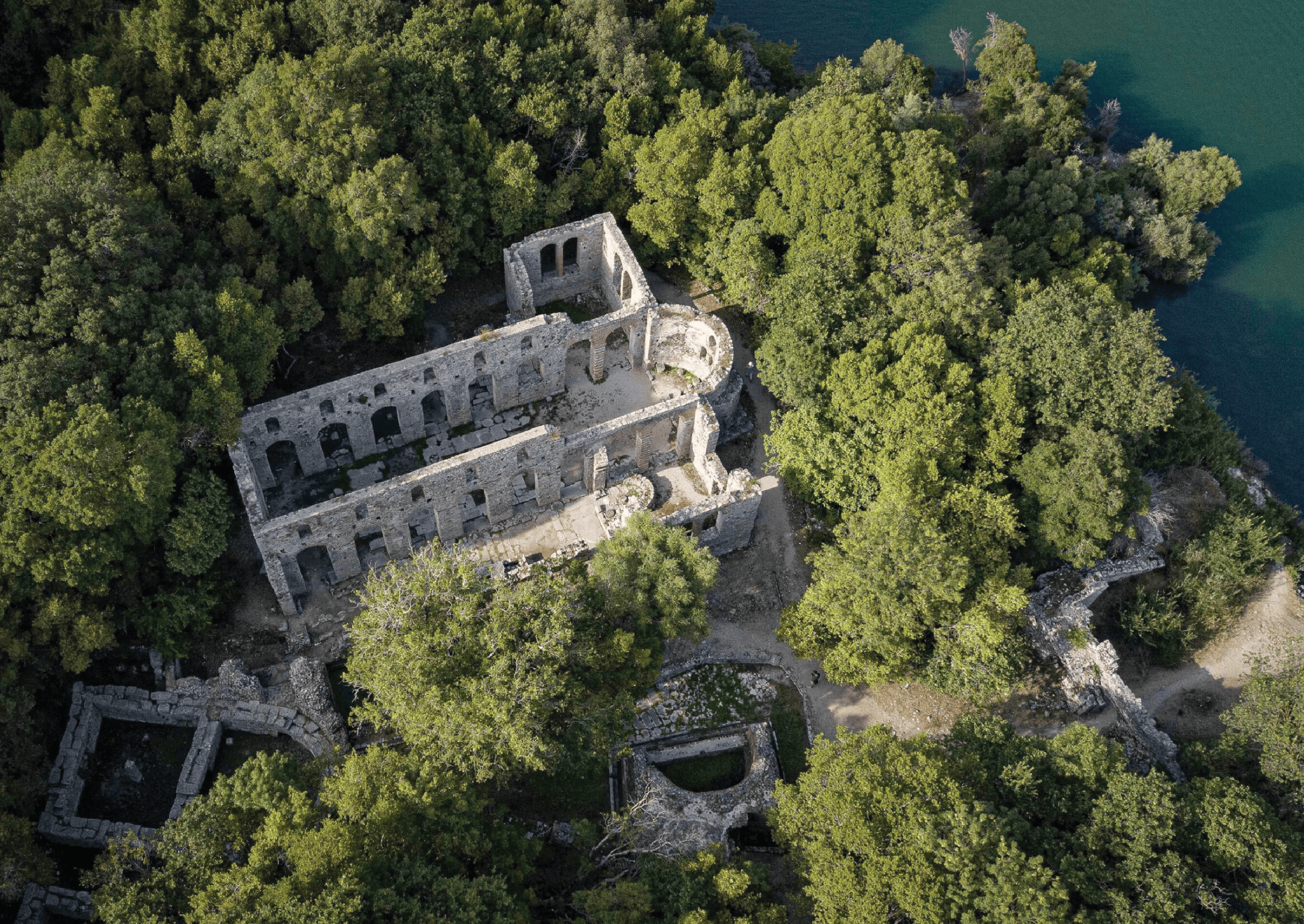
At the southern tip of Albania, a ruined city dozes between lagoon and sea. Cormorants skim the Vivari Channel; a stone theatre warms in early sun; pine needles crunch underfoot as paths drift toward a basilica open to the sky. This is Butrint—part archaeological wonder, part wetland sanctuary—and it sits a whisper from Kep Merli’s private peninsula.
Why it’s worth the trip
Butrint isn’t a single era frozen in amber; it’s the Mediterranean in miniature. Illyrian walls, a Greek theatre, Roman baths, Byzantine churches, a Venetian tower—centuries overlap in a compact, deeply atmospheric park that feels more forest walk than museum queue. You move at a human pace here: avash, avash—slowly, slowly—while birdsong and water light fill the gaps between stones.
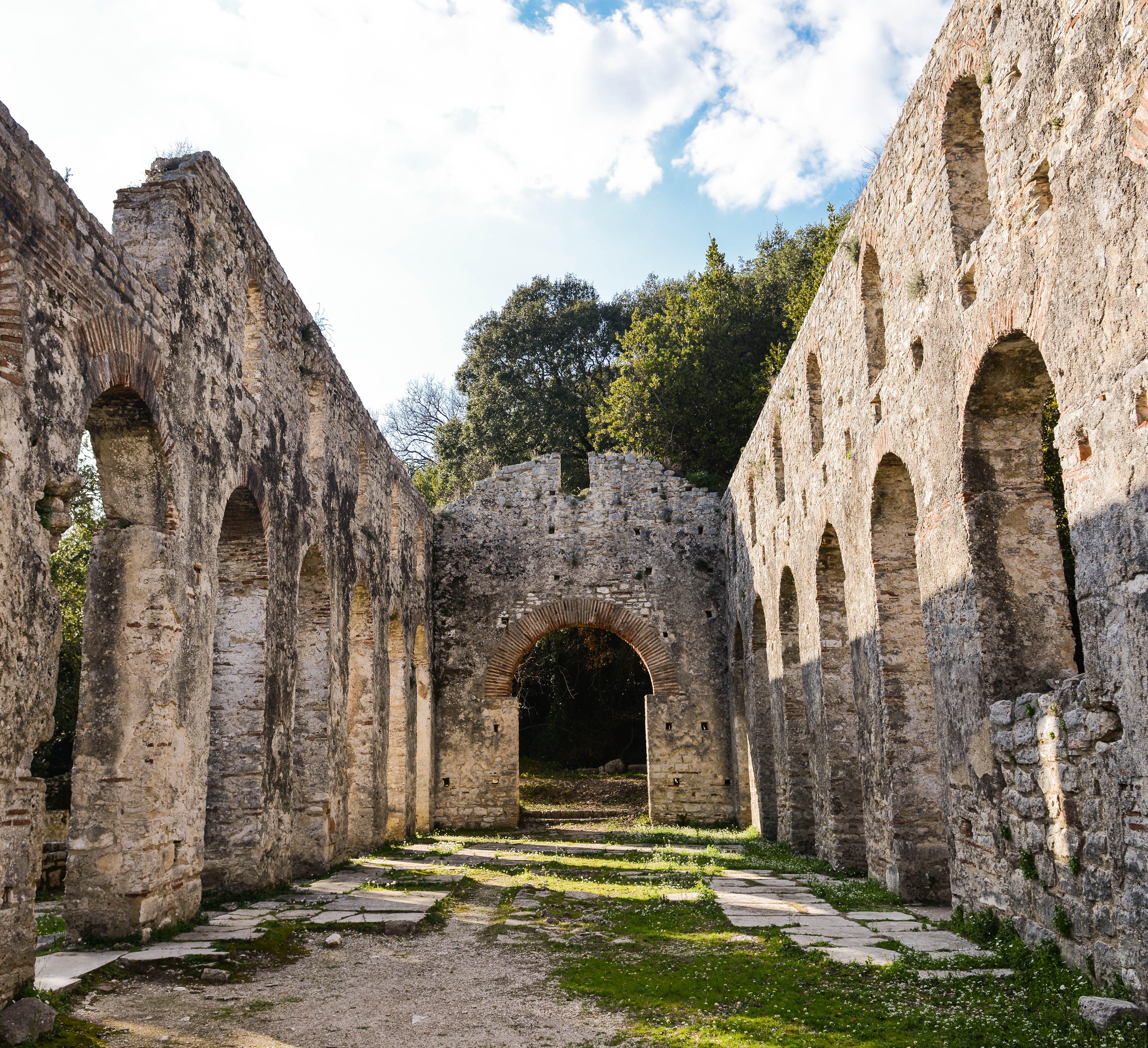
The scene: lake, channel, and sea
Encircled by Lake Butrint and fed by the Vivari Channel, the site folds culture into nature. Oak, laurel, and pine shade much of the route; salt marsh and reeds frame sudden glints of Ionian blue. It’s a place where you’ll take as many photos of the light through leaves as you will of lintels and gates.
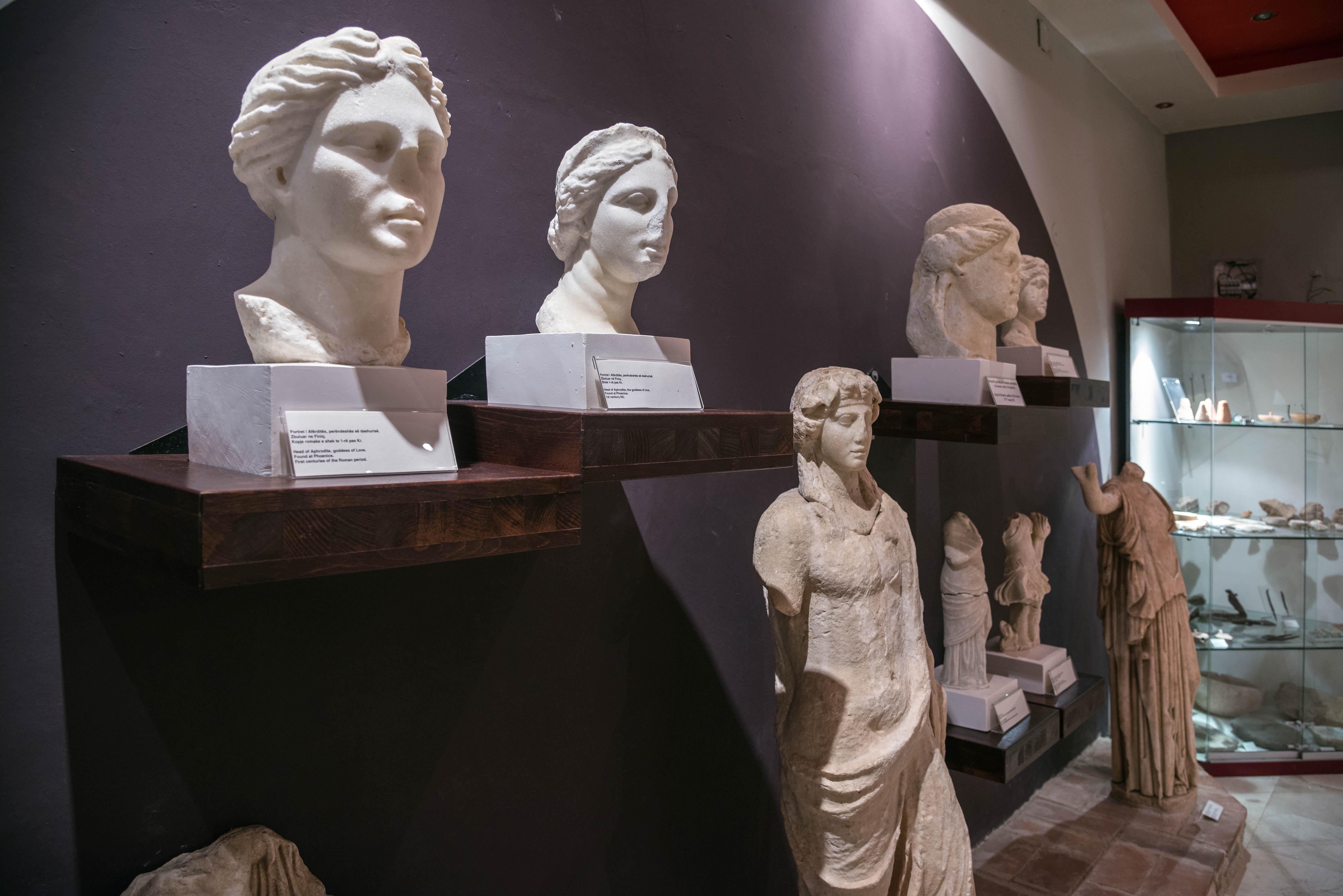
Walks you’ll actually take
Trails are well-marked and forgiving, more stroll than slog. Classic loops (45–90 minutes) connect the heavy hitters:
- The Theatre and Forum – The moment the past feels audible.
- The Baptistery – A vast circular footprint; when the protective cover lifts, the mosaic floor is a marvel.
- The Basilica & Lion Gate – A study in texture: chiselled stone, ivy, and that famous relief.
- The Acropolis Path – A gentle climb to views across the lagoon and channel.
If you have extra time, cross the channel to the Triangular Castle for a different angle on the water and wetlands. Bring walking shoes; leave urgency behind.
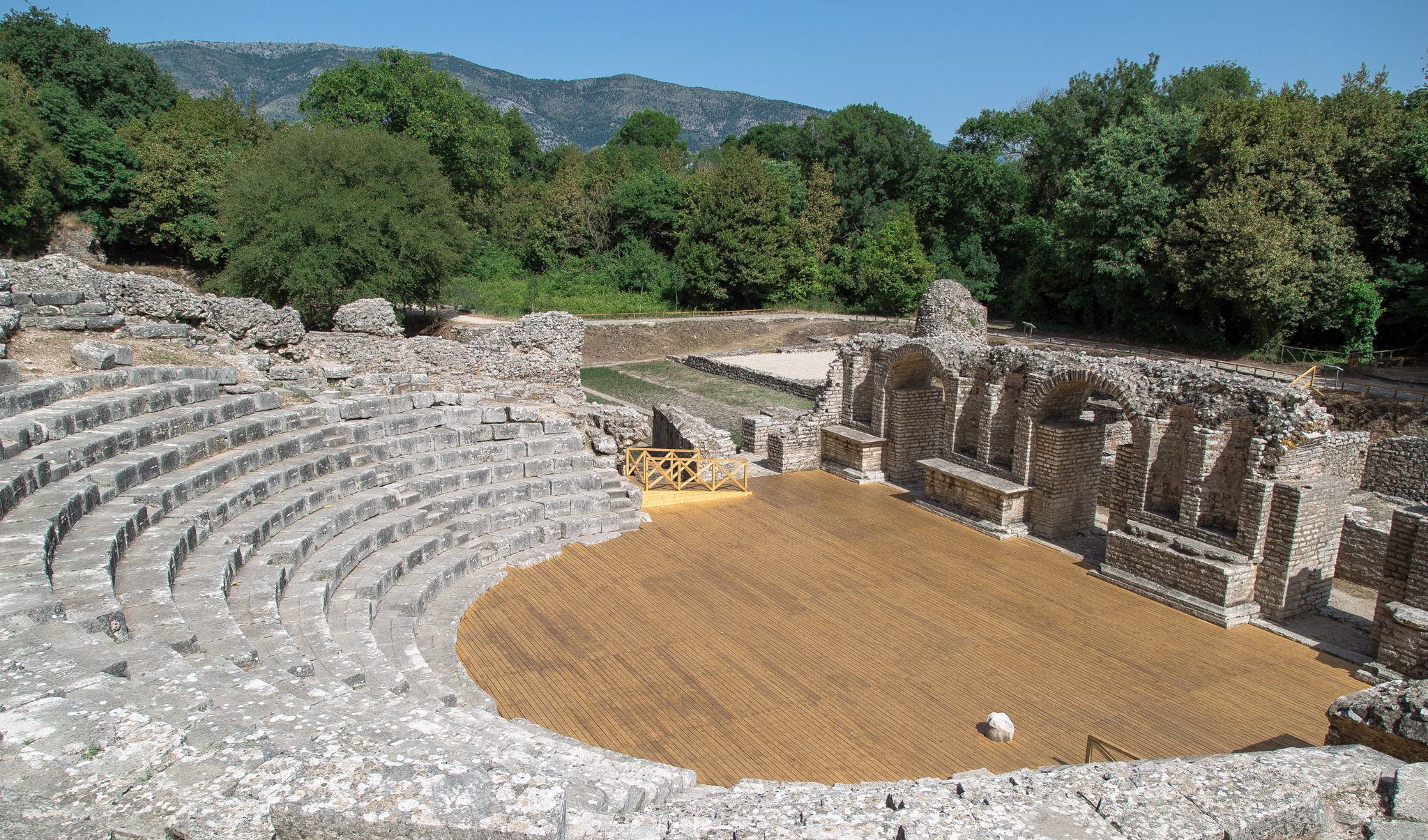
The museum: context with a view
Set in the hilltop castle, the Archaeological Museum makes sense of the layers—pottery, sculpture, inscriptions—then hands you back to the trees. Go first for orientation or last for a quiet cool-down; either way, it completes the story without overstaying its welcome. (Check current hours before you go.)
UNESCO, decoded
Butrint has been on the UNESCO World Heritage List since 1992, recognized for an unusually complete record of Mediterranean civilizations in one landscape. What that means for travelers: careful stewardship, restrained development, and the kind of stillness that’s increasingly rare along the coast.
Albanian culture, in situ
What lingers isn’t just the archaeology; it’s how Albanian life frames it. Fishermen still work the channels. Families gather for long, late lunches under vines. Local olives, citrus, and wild herbs scent the air. History here is not theoretical—it’s lived, and generously shared with anyone who arrives curious and unhurried.
The gift of proximity to Kep Merli
Staying at Kep Merli turns Butrint from a day trip into a daily rhythm. Slip out at dawn for the theatre to yourself, return for an in-villa breakfast that lingers to noon, then wander back at golden hour when the lagoon turns to liquid metal. Evenings end on your terrace, Ionian breeze moving through the pines. No transfers to juggle, no timelines to wrestle—just a world-class site at the pace of your holiday.

When to go—and how to do it
- Best seasons: late spring and early autumn for soft light and empty paths; midsummer works if you go early or late.
- Guides: a good local guide threads the eras together and spots wildlife you’ll miss.
- Essentials: water, a hat, walking shoes; curiosity mandatory, hurry discouraged.
Don’t miss
- The hush inside the basilica at midday.
- A look back through the Lion Gate, where stone meets leaf and shadow.
- Birdwatching along the channel—herons, egrets, and seasonal migrants.
- A lagoon crossing to the Triangular Castle for sunset.
The takeaway
Butrint is that rare destination where the superlatives hold: a site that feels both monumental and intimate, guarded and yet gloriously alive. With Kep Merli just next door, you can meet it the way it deserves—slowly, slowly—and let the day decide the rest.
